
The Illusion of Consumer Freedom: How Brands Shapes Consumers’ Everyday Decisions
Have you ever thought why you choose that certain brand when buying coffee? Maybe cause its cheaper, better tasting, or provides spaces for you to work.
Most consumer believe they make purchasing decisions independently and rationally. Freedom of choices certainly exists. However, neuro-marketing offers a different perspective. It suggests that purchasing decisions are not always the results of conscious reasoning. Instead, preferences are shaped by emotions, memories, cultural associations and repeated exposure to brands over time.
This raises an important question:
Are consumers truly making independent choices, or are brands influencing decisions long before the purchase occurs?
Understanding Neuro-Marketing
Neuro-Marketing explores how consumers respond beyond what they think and speak. It reveals emotions, habits, memories, and subconscious associations of brands that plays a significant role in decision making.
One of the most influential studies in neuro-marketing was conducted by Samuel McClure and his fellows in 2004. Participants were asked to taste Coke and Pepsi on 2 different conditions: one by concealing the brands and one by revealing the brands. On the first condition, most consumers preferred Pepsi as they were tasting it. However, once the brands are revealed, preference frequently shifted towards Coca-Cola.
This study result shows that consumers do not evaluate the products solely based on the product attributes. They were not only consuming soft drinks and how it tastes, but brand meanings, cultural associations, memories, and emotional connections become part of the consumption experience itself.

How Advertising Shapes Consumer Preference
Further evidence comes from a collaborative study of neuro-marketing between Stanford, Bonnier, and Neurons. The studies were conducted to convey how participants responded on four main crucial steps in understanding advertising successes to ensure brand building. By summary, these studies are showing how different elements of advertising content, such as product image, price, call-to-action, certain people figures, when contained or leaved out on a content, may show different results. In which, are important to advertisers to produce the desired messages:
1. Stopping Power: Getting attention with the advertising from enough people and for enough time.
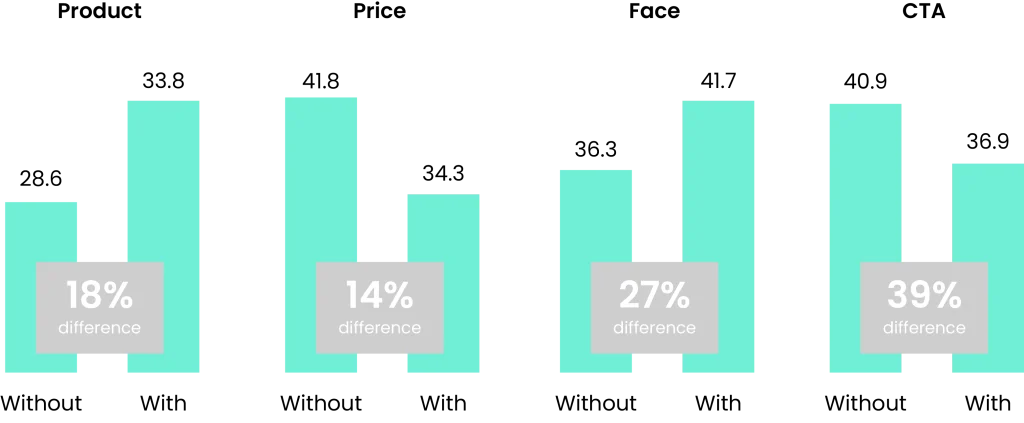
2. Persuasion Power: Creating positive emotional response.
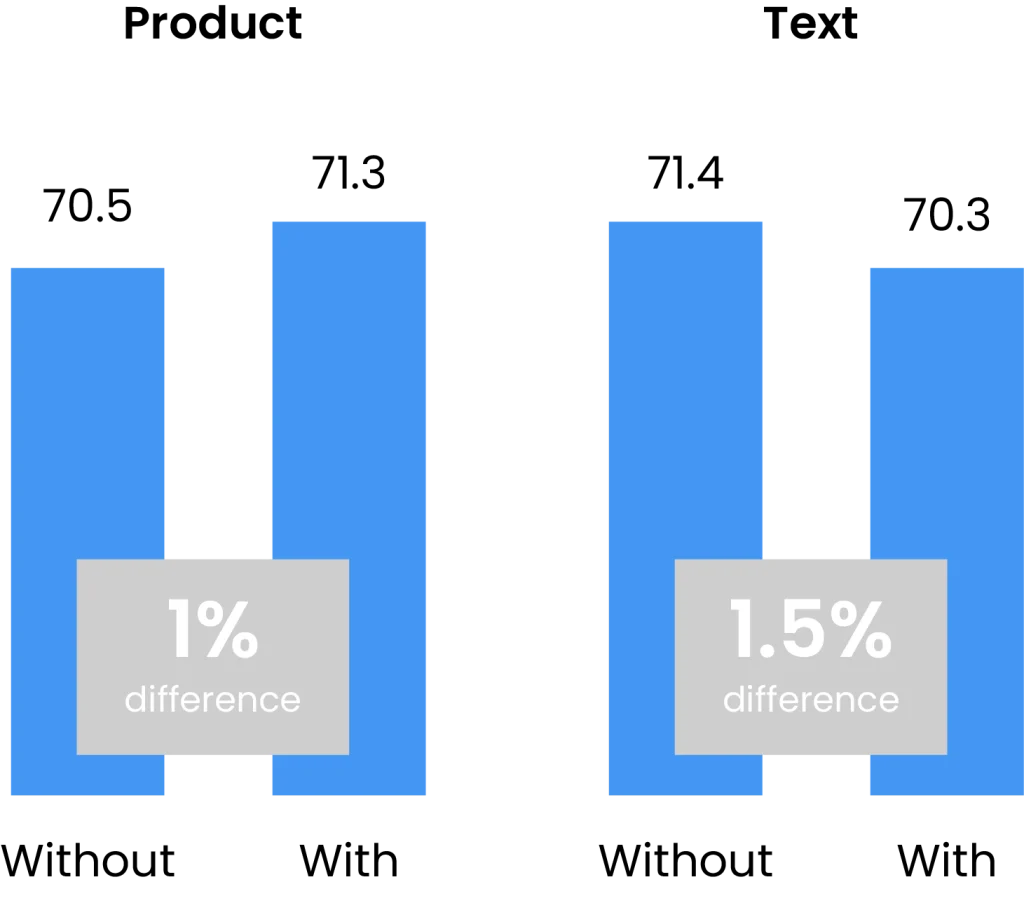
3. Transmission Power: Communicating messages clearly and effectively.
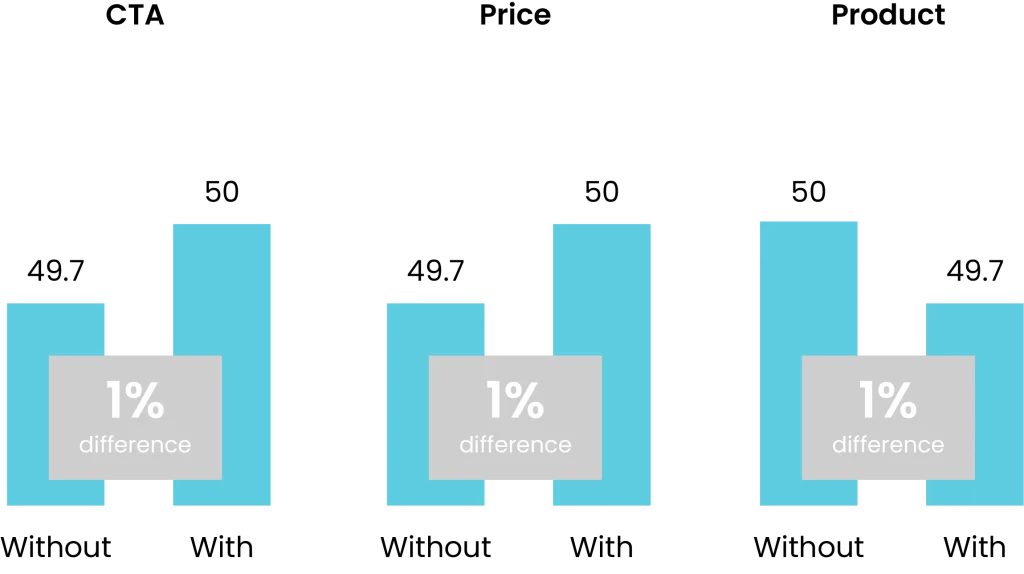
4. Locking Power: Creating memorable and lasting impressions.
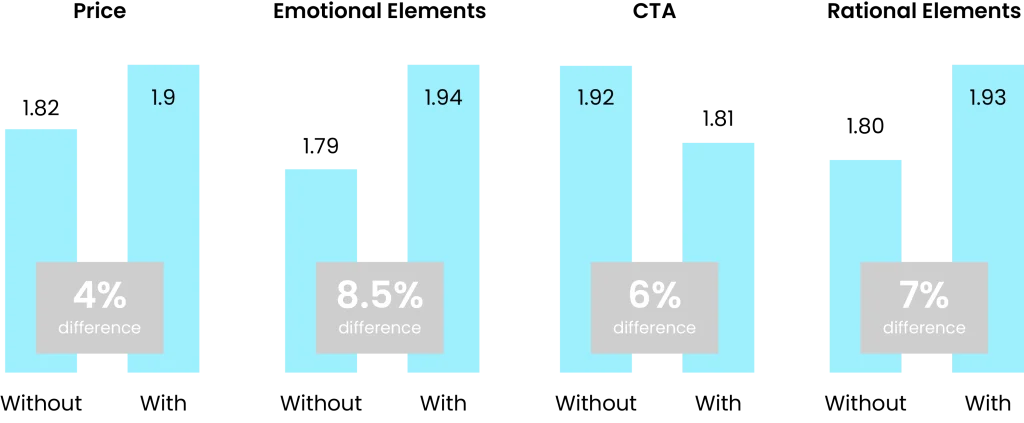
These findings suggest that there are certain ways that brands and advertisers can tailor advertising content / messages to contain or leave out certain elements based on their objectives. For example, if you want to make an ad that grabs attention, you can include products and faces yet leave out price and CTAs.
Building Preferences Through Everyday Exposure
The reason Coca-Cola had such influences was not because of a single advertisement. Consumers had been exposed to thousands of Coca-Cola brand messages over many years through every billboard, TV advertisements, sponsorship, and social media posts. When brands are there, exposing message to moments that matters, consumers unconsciously associate positive perceptions towards the brand.
Over time, advertisements do not merely communicate information, it constructs brand meaning. Preferences are built over the continuous exposure and never-ending communication for it to be acknowledged and remembered.
This is where TMN indoor media becomes increasingly relevant. Consumer encounter media throughout their daily routines while strolling through social media, commuting to work, shopping in malls, and others. Our elevator screen resources allow brands to appear on high-frequency environments where audiences are repeatedly exposed to messages.
With visual and audio advertising, our indoor screens allow brands to become a part of consumers everyday life through sensory marketing, building preferences subconsciously. More frequent consumers encounter a brand, the more likely they are to recognize, remember, and develop positive associations.
Sources:
McClure, S.M., Li, J., Tomlin, D., Cypert, K.S., Montague, L.M., & Montague, P.R. (2004). Neural correlates of behavioral preference for culturally familiar drinks. Neuron, 44, 379-387.
Pepsi vs Coke: A Neuromarketing Study
Neuromarketing: Definition, Techniques, Examples, Pros & Cons, and Tools
The 4 Powers of Advertising: Stanford-Backed Neuroscience Research | Case studies | Neurons
Latest Posts


Community Marketing: Becoming Part of the Ritual
September 10, 2026
