
Beyond Demographics: Why Context Is Becoming Marketing’s Next Competitive Advantage?
“Consumers don’t become different people throughout the day. They become different audiences.”
Every Day, One Consumer Lives Many Different Moments
Imagine your own day.
At 8:00 a.m., you’re preparing for meetings and thinking about the tasks ahead. By lunchtime, your attention shifts to finding a place to eat. After work, you stop by a supermarket to pick up groceries before heading home to spend the evening with your family.
You’re still the same person.
But your priorities have completely changed.
As consumers move through different environments, they naturally take on different roles—employee, shopper, parent, friend or commuter. Each role brings a different mindset, different needs and different decisions.

For decades, marketers have relied on demographics to answer one fundamental question:
Who is my audience?
Age, gender, income and occupation remain valuable because they help brands identify who they want to reach. But today’s consumer journey is far more dynamic than demographic data alone can explain.
A growing opportunity for marketers lies in understanding not only who consumers are, but also what they are experiencing at that moment.
Because sometimes, the right moment can matter just as much as the right audience
Reaching People Isn’t the Same as Reaching Them Well
Consumers are exposed to advertising almost everywhere they go. In a world where people can easily skip, scroll or ignore messages, simply increasing reach no longer guarantees greater impact.
The challenge has shifted from reaching more people to reaching people when they are most receptive.
This is where context begins to make a difference.
According to Kantar’s Media Reactions study, not every media environment creates the same opportunity for advertising. Some channels naturally combine higher consumer attention with stronger advertising receptivity, meaning the environment itself influences how communication is received.
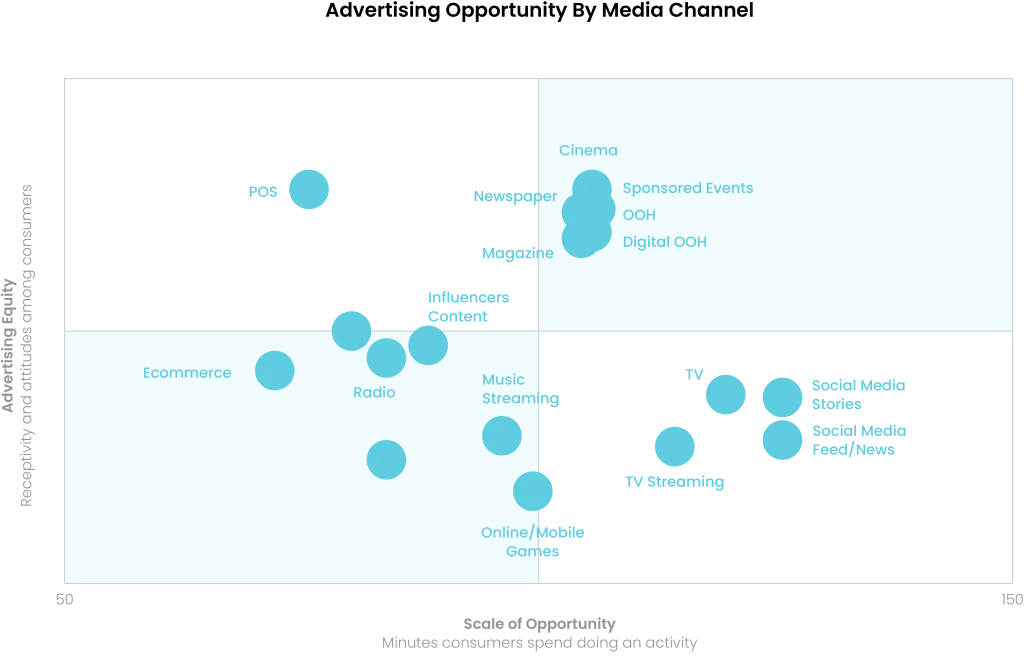
Research Insight: Media such as Cinema, Out-of-Home (OOH), Digital OOH and Sponsored Events sit within the high-opportunity quadrant, combining strong consumer attention with high advertising equity.
Rather than asking only,”How many people can we reach?” marketers are increasingly asking, “How receptive are people when we reach them?”
That small shift in thinking is changing how brands evaluate media effectiveness.
Why the Right Moment Matters
Think about the last time you bought something you had never purchased before. Perhaps it was a pair of running shoes, a new smartphone or a coffee machine.
You probably searched online, compared different brands, read reviews, watched videos, asked friends for recommendations, left the website, came back later, and only then made your decision.
Google describes this behaviour as The Messy Middle.
Rather than moving neatly from awareness to purchase, consumers continuously move between exploring and evaluating different options before making a decision. Google calls this journey “The Messy Middle.”
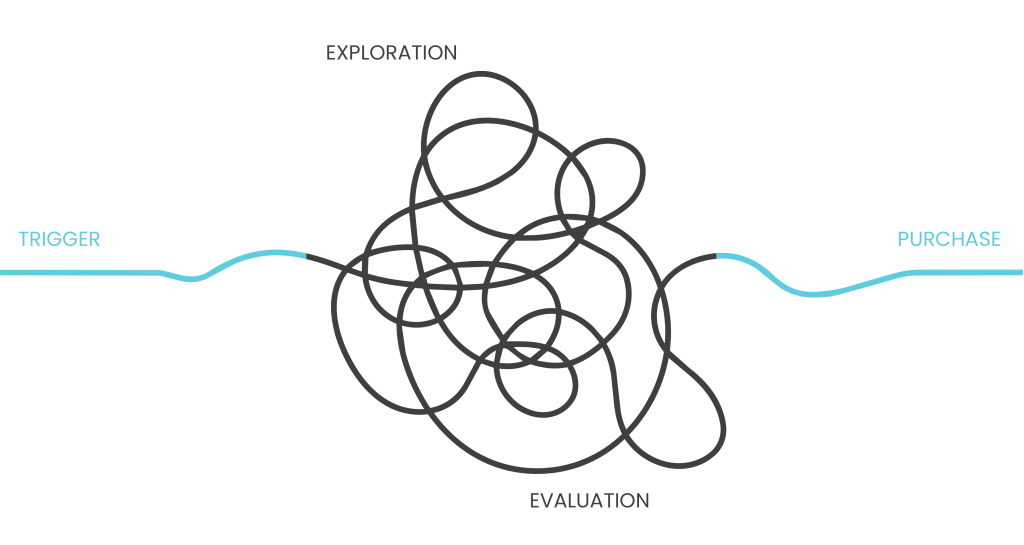
Every search, recommendation, review and promotion becomes another touchpoint along the journey.
This means brands no longer influence consumers through a single advertisement alone. Instead, they influence decisions by appearing consistently across multiple moments when consumers are actively seeking information or evaluating alternatives.
Context allows brands to become part of that decision journey rather than interrupting it.
Why Marketers Are Rethinking Relevance
This shift in consumer behaviour is also reshaping media strategy.
As privacy regulations continue reducing reliance on third-party cookies, marketers are searching for new ways to deliver relevant communication without depending solely on personal identifiers.
According to IAB Europe, contextual advertising is becoming one of the industry’s preferred approaches because it considers the content, environment and consumer mindset surrounding an advertisement—not just the individual receiving it.
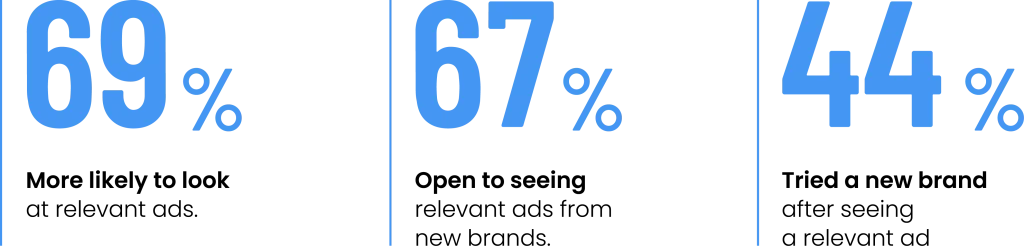
In other words, marketers are beginning to ask a different question. Instead of asking, “Who is this person?” they are increasingly asking, “What is happening around this person right now?”
That subtle change reflects a much broader evolution in modern marketing.
One Nation. Different Moments
Indonesia’s Independence Day provides a simple yet powerful example of contextual communication. The celebration remains the same. The campaign message remains the same.
But the consumer’s experience changes depending on where they are.
During working hours, brands may celebrate teamwork, achievement and national pride inside office environments. Later in the day, the same campaign can shift toward family, neighborhood celebrations and togetherness within residential communities.
By evening, retail and lifestyle destinations become places where brands encourage consumers to celebrate through shopping, dining or festive promotions.
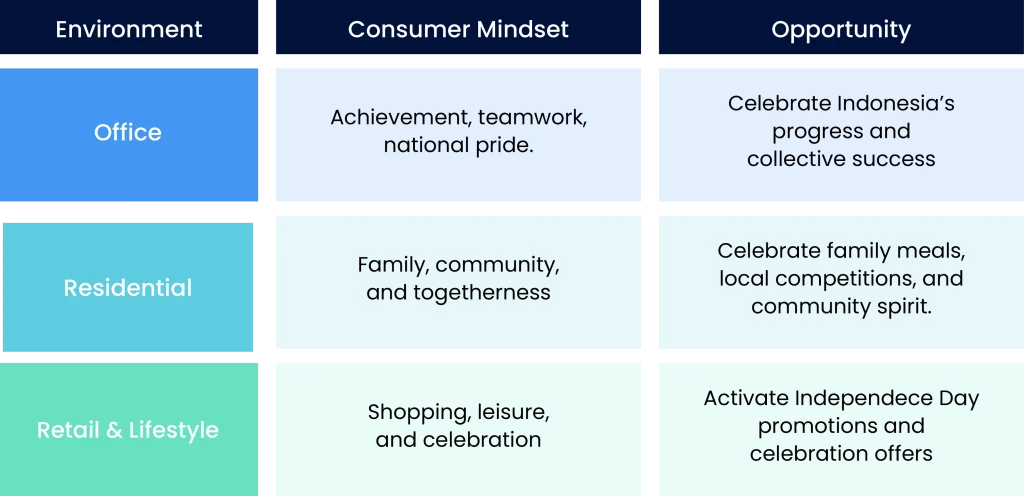
The audience hasn’t changed. The campaign hasn’t changed. Only the context has. And sometimes, that’s all it takes to make communication feel more relevant.
Turning Everyday Moments into Opportunities
Consumers naturally move through offices, residential buildings, retail destinations and lifestyle spaces every day. Each environment represents a different mindset and therefore a different communication opportunity.
Rather than asking consumers to change their behaviour, contextual media follows the behaviour they already have.
This is where contextual communication creates meaningful value.
TMN’s network is built around these everyday journeys, helping brands connect with audiences across multiple environments where communication can naturally align with what consumers are already experiencing.
Instead of relying solely on demographics, brands have the opportunity to combine audience understanding with contextual relevance—delivering messages that feel more timely, more useful and ultimately more meaningful.
Key Takeaways
➼ Demographics tell us who consumers are.
➼ Context tells us what matters to them at that moment.
➼ The strongest campaigns combine both to create communication that feels relevant, timely and useful.
Latest Posts

Design Trends 2027: Why the Future Looks More Human
October 9, 2026

