
Design Trends 2027: Why the Future Looks More Human
Artificial intelligence is no longer a glimpse of the future. It is already transforming the creative workflow. A growing number of designers now use AI to generate ideas, create visuals, write copy, and accelerate production. What once took hours can now be completed in minutes. As AI continues to improve, many routine design tasks will become faster, cheaper, and increasingly automated.
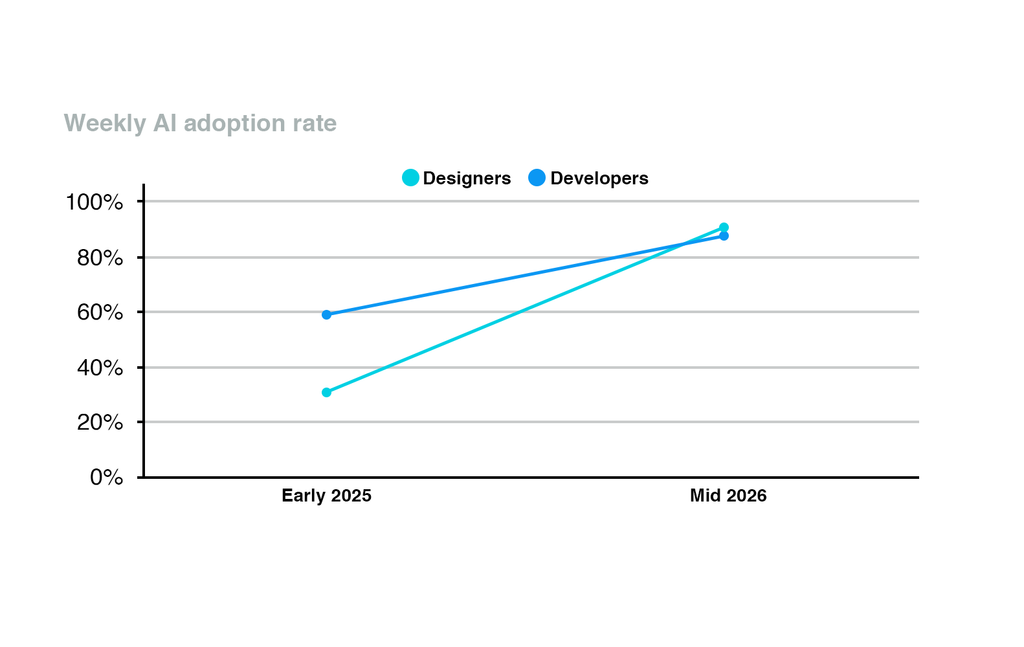
At first glance, this may seem like bad news for designers. If everyone has access to powerful creative tools, what will make great design stand out? Ironically, the answer is not better technology. It is better humanity.
As AI makes polished visuals easier to produce, audiences are becoming less impressed by technical perfection. Instead, they are placing greater value on authenticity, relevance, emotion, and originality. The role of design is shifting from creating beautiful assets to creating meaningful experiences.
These changing expectations are shaping the design trends that will define 2027.
1. Heritage Reimagined
As AI makes polished content easier to create, authenticity is becoming a brand’s greatest competitive advantage. Consumers are no longer impressed by perfection alone. They want genuine stories, craftsmanship, and a clear sense of purpose.
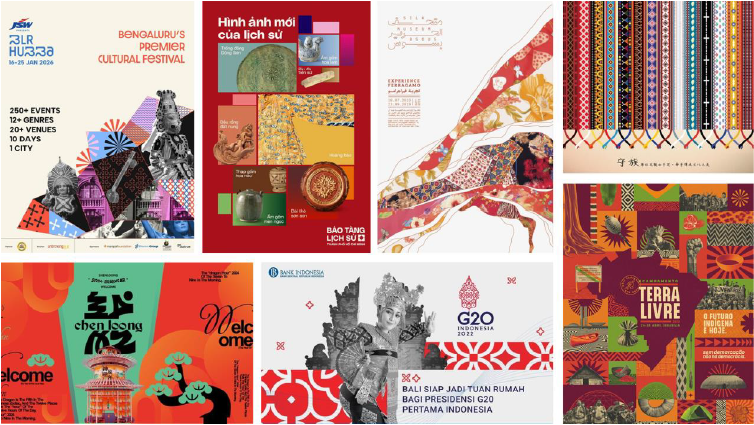
Heritage is not about nostalgia. It is about celebrating culture, human creativity, and meaningful experiences. In 2027, brands that combine technology with authentic storytelling will build stronger trust and deeper emotional connections than those relying only on flawless visuals.
2. Environmental Reactivity
Consumers are overwhelmed by constant notifications, endless scrolling, and digital clutter. Instead of competing to be louder, successful brands will create experiences that respect people’s time and attention.
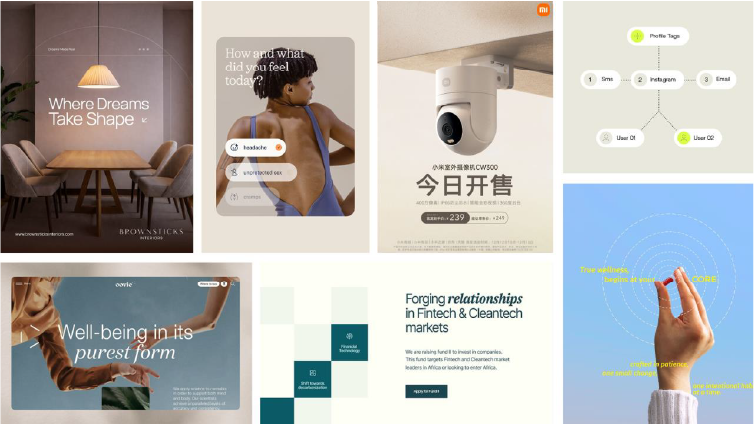
Environmental Reactivity focuses on contextual communication, clean interfaces, and purposeful design that delivers the right message at the right moment. In a world filled with digital noise, the brands that communicate with clarity, relevance, and simplicity will create more meaningful and lasting connections.
3. Anti Aesthetic
As AI generated visuals become increasingly common, polished design alone is no longer enough to earn trust. Consumers are beginning to value authenticity over perfection. Anti Aesthetic embraces raw photography, natural layouts, honest storytelling, and behind the scenes moments that reveal the human side of a brand.
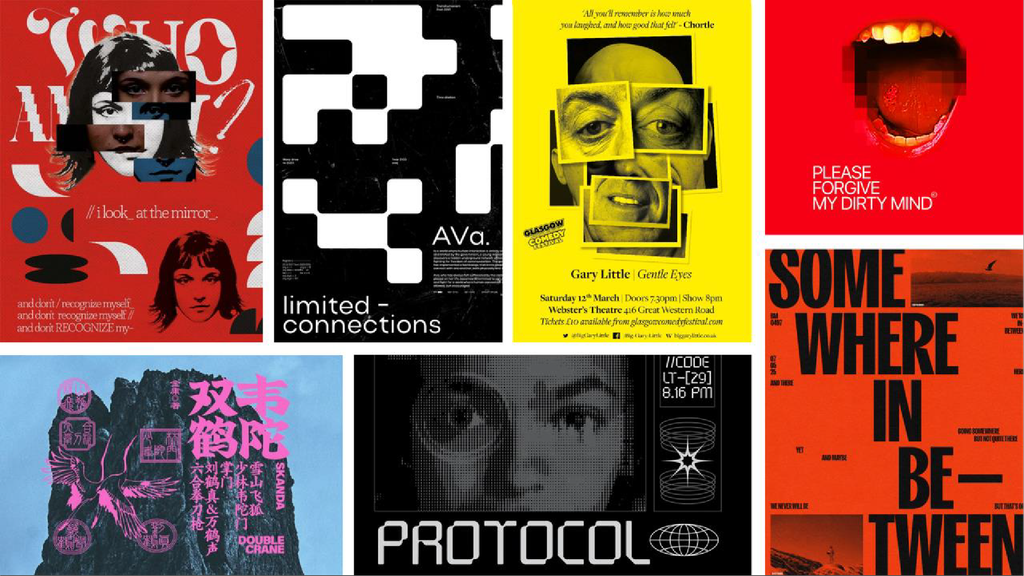
Rather than hiding imperfections, brands use them to demonstrate transparency and credibility. In 2027, genuine experiences will become more persuasive than flawless visuals.
4. Hyperreal Play
As everyday life becomes more digital and predictable, people are looking for moments of surprise, imagination, and joy. Hyperreal Play embraces bold colors, surreal compositions, playful typography, and immersive visual experiences that blur the line between reality and fantasy.
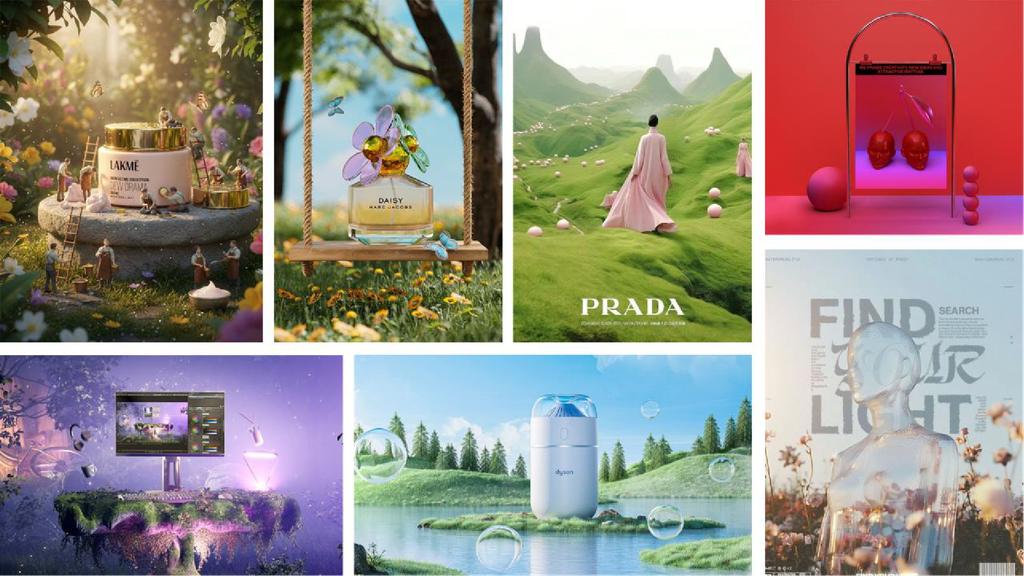
It encourages designers to push beyond realism, creating expressive worlds that spark curiosity and emotional connection. In an increasingly automated world, brands that embrace creativity, experimentation, and playful storytelling will stand out and leave a lasting impression.
These four trends may look different, but they all reflect the same shift. As AI makes great design more accessible, people are placing greater value on what technology cannot replicate: authenticity, relevance, emotion, and imagination.
Because trends move faster than ever, the key isn’t adopting every shiny tool or visual style that emerges. Select only what aligns naturally with your brand, and above all, don’t lose your unique identity. Trends should serve as inspiration to enhance your message, not a template that dilutes who you are.
The future of design is not about competing with AI, but about working alongside it. AI can accelerate execution, but it cannot replace human judgment, empathy, or the ability to define the right problem.
The designers who will thrive are those who embrace AI as part of their workflow while strengthening the skills that matter most: critical thinking, storytelling, strategy, and creative problem solving. In the age of AI, your greatest advantage is not how fast you can create, but how deeply you understand people and how authentically you express your brand’s true character.
Latest Posts

Design Trends 2027: Why the Future Looks More Human
October 9, 2026

