
The World Cup Effect in Indonesia
Written by: Olivia Dwi
Every four years, Indonesia shifts into a slightly different mode.
People start checking kickoff times in unfamiliar time zones. Group chats get noisier. Cafes suddenly invest in bigger screens. Even your friend who “doesn’t really follow football” somehow has a strong opinion about penalties.
Welcome to World Cup season.
A Country That Already Loves Football
Football is far from a niche interest in Indonesia. Football is far from a niche interest in Indonesia. Based on Nielsen data cited by Kompas, around 69 percent of Indonesians are interested in football, which equals roughly 189 million people. This scale of interest has led Indonesia to often be described as a “football crazy” country. So, when the World Cup arrives, excitement does not need to be manufactured. It simply scales up.
In 2026, it may scale up even more. TVRI has secured the rights to broadcast the matches free to air nationwide, as reported by Antara News. No subscription barriers. No exclusive platforms. Just turn on the TV and you are in.
When something global becomes that accessible, participation grows naturally. So does the hype.
The Trends That Always Show Up During the World Cup
Once the tournament starts, certain patterns become impossible to ignore:
- “Nobar” culture everywhere
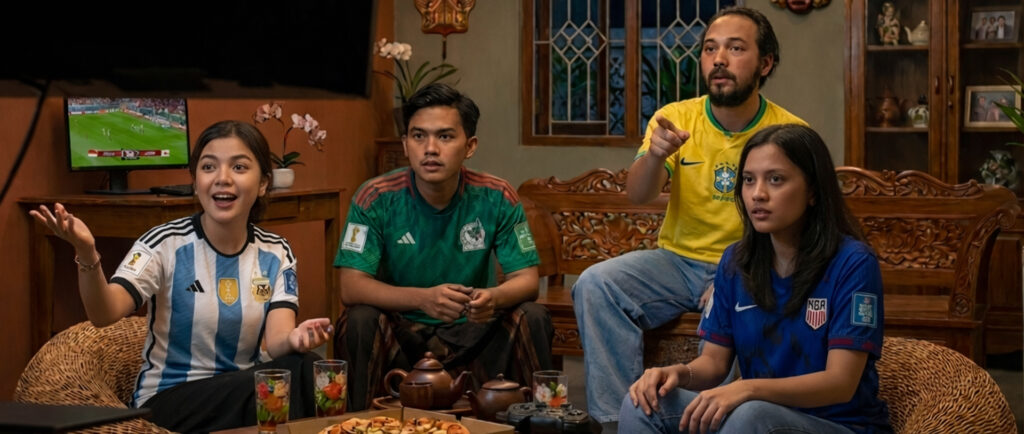
Watching together is practically tradition. “Warung”, cafes, apartment lobbies, and even open public spaces turn into shared viewing spots. The World Cup transforms ordinary spaces into temporary stadiums filled with collective emotion.
- Merchandise and jersey waves
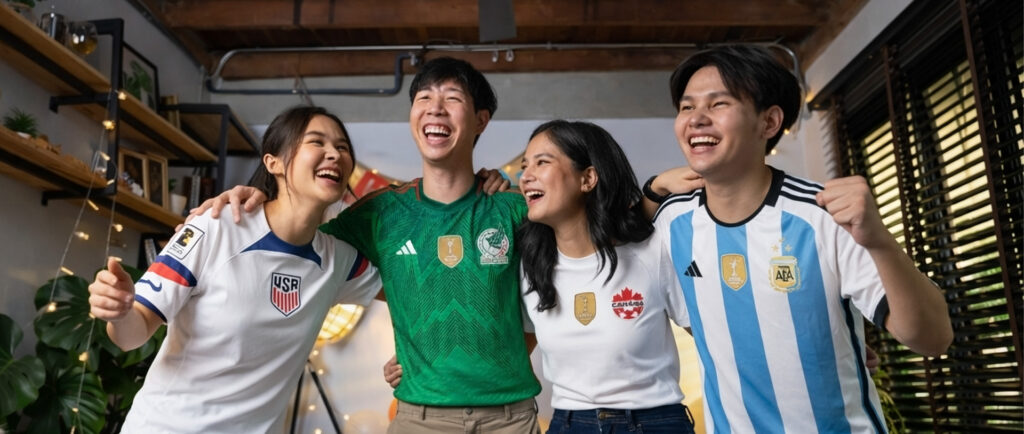
Replica jerseys, scarves, and team merchandise flood marketplaces. Wearing a national team shirt becomes part of the social experience, especially during match days and public screenings.
- Prediction games boom
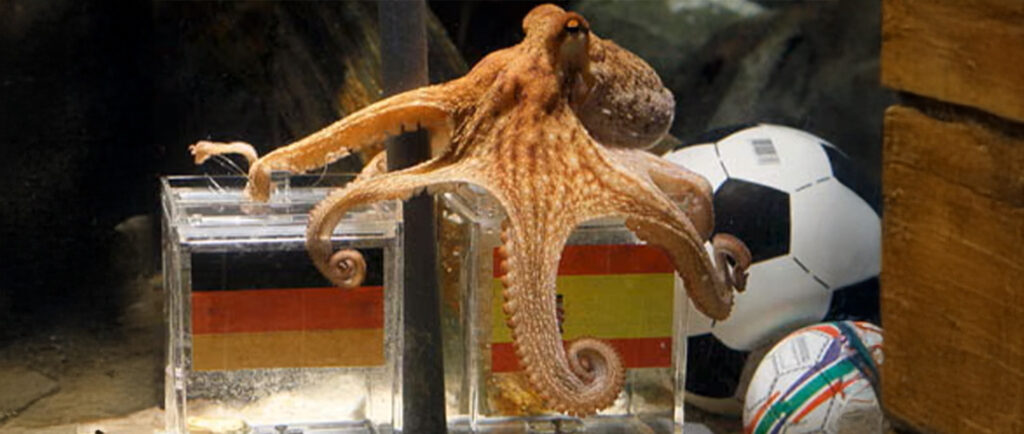
Goals turn into memes within minutes. Controversial referee calls spark instant debates. Matches are experienced simultaneously on television and on social media feeds, with conversations unfolding live as the game happens.
- Brands joining the hype
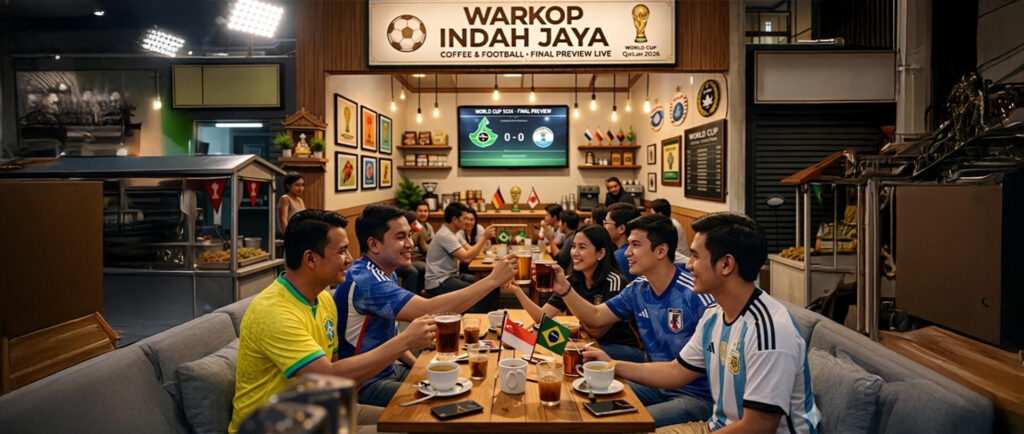
Restaurants launch match night promos, beverage brands roll out football themed campaigns, and online platforms push tournament deals, capitalizing on the short term commercial spikes driven by global sporting events.
Why FOMO Feels Stronger Than Ever
Fear of Missing Out, or FOMO, helps explain this behavior. Research published in PLOS ONE describes FOMO as the anxiety that others are having rewarding experiences without you, intensified by constant exposure to real-time updates.
Now imagine that dynamic during the World Cup. Millions are watching at the same time. Social media updates are instant. Group chats are buzzing. If you skip the game, you are not just missing the scoreline. You are missing the collective reaction.
That shared experience is what makes the tournament feel bigger than any other sport.
More Than Just Football
For about two months, the World Cup becomes more than a tournament. It turns into a shared cultural moment. And this time, the excitement in Indonesia may grow even bigger. With matches broadcast nationwide on Indonesia’s public broadcaster, TVRI, more people will be able to watch the tournament without subscription barriers.
When access expands, so does participation in the experience surrounding it. People adjust their schedules to watch matches. Cafes stay open later. Group chats come alive with predictions, reactions, and debates. Online, conversations move in real time as goals, saves, and controversial decisions instantly spread across social media.
In a media landscape where attention is usually fragmented across multiple platforms and distractions, the World Cup creates something rare: millions of people paying attention to the same thing at the same time.
So, what does this mean for brands?
Moments like these create a natural opportunity to show up. The key is understanding the context. Where are people watching? Who are they with? What are they feeling in that moment?
During the World Cup, being present in the right environment can matter just as much as the message itself.
References
Antara News. (2025). TVRI secures rights to broadcast 2026 FIFA World Cup nationwide. Antara News. https://en.antaranews.com/news/398077/indonesias-tvri-secures-2026-fifa-world-cup-broadcast-rights
Berita DIY. (2024). 100 titik lokasi nobar timnas Indonesia vs China di berbagai kota. Berita DIY. https://beritadiy.pikiran-rakyat.com/citizen/pr-709392623/100-titik-lokasi-nobar-timnas-indonesia-vs-china-daftar-tempat-di-semarang-surabaya-jogja-dan-kota-lain
FIFA. (2023). One month on: 5 billion engaged with the FIFA World Cup Qatar 2022™. Inside FIFA. https://inside.fifa.com/tournaments/mens/worldcup/qatar2022/news/one-month-on-5-billion-engaged-with-the-fifa-world-cup-qatar-2022-tm
Brandwatch. (2022). World Cup social media insights: What happened online during the final. Brandwatch. https://www.brandwatch.com/blog/world-cup-social-media-insights/
Kompas.id. (n.d.). Potential of national football not maximized. https://www.kompas.id/artikel/potential-of-national-football-not-maximized
Reer, F., Tang, W. Y., & Quandt, T. (2023). Fear of missing out in the digital age: The role of social media exposure in shaping FoMO experiences. PLOS ONE. https://journals.plos.org/plosone/article?id=10.1371/journal.pone.0330978
Latest Posts

Design Trends 2027: Why the Future Looks More Human
October 9, 2026

